







Living Things
- Level: Foundation/Kinder to Year 6
- Duration: 60 or 90 minutes (90 minutes recommended)
- Numbers: Maximum of 30 students per workshop
- State: VIC & NSW
- Price
60 min: $450 per workshop
90 min: $560 per workshop
*Travel surcharge also applies based on location.
*Prices exclude GST.
*There is a minimum booking of 3 x 60 minute workshops or 2 x 90 minute workshops on the same day – or their cost equivalent.
"*" indicates required fields
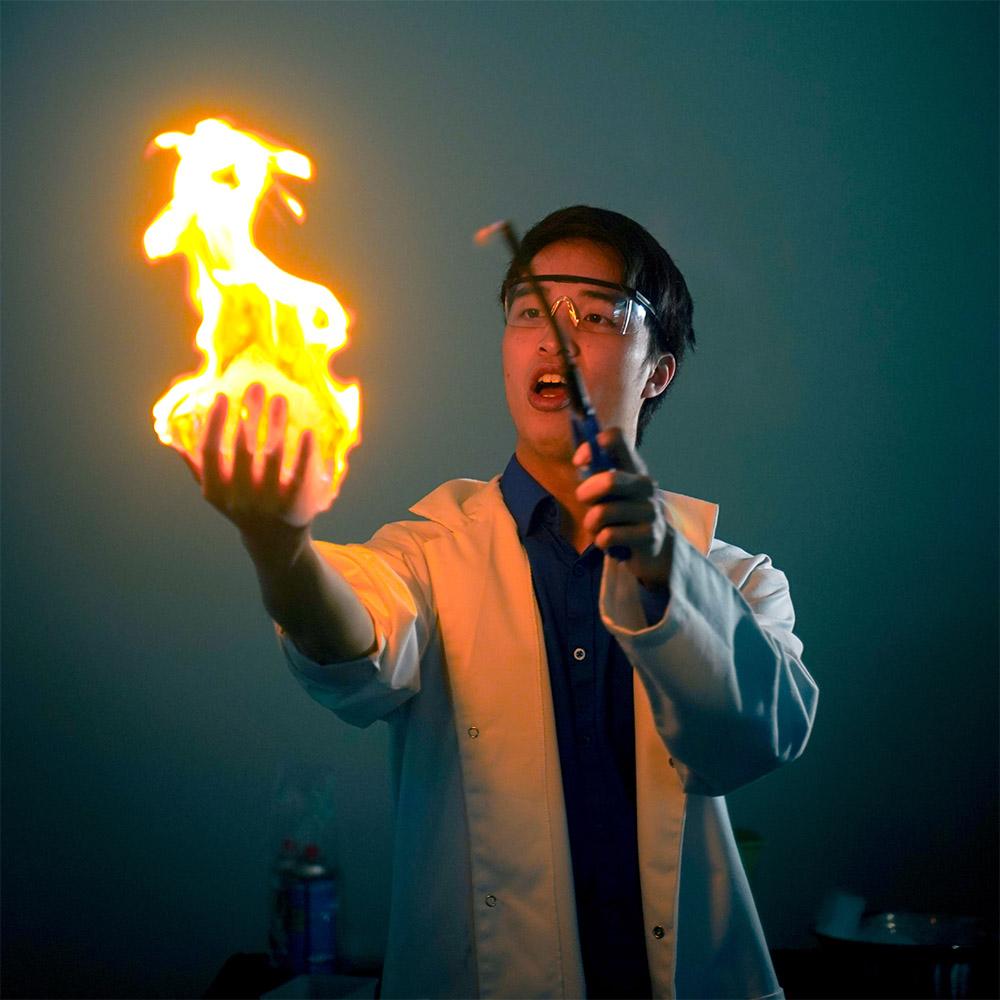
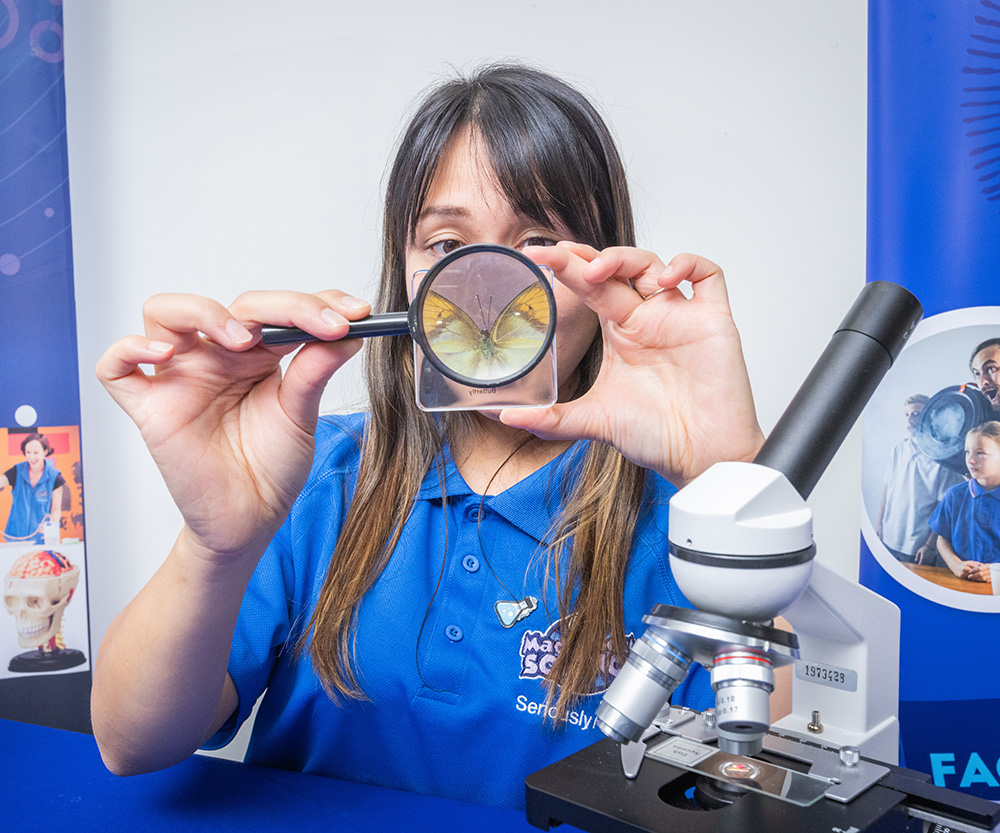
This workshop is full of life! Through engaging, hands-on activities, students learn what it takes for something to be considered a living thing, and get a glimpse into the vast diversity of life on Earth. Students will get a close-up look at formerly-living specimens, understand simple life cycles, and may even meet a few slimy friends. Available in a junior or middle/senior primary format.
Activities | Foundation/Kinder to Year 2
- Living vs Non-living – What makes something ‘alive’?
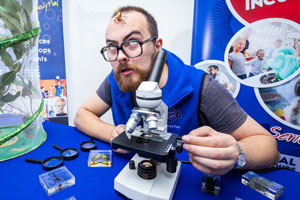
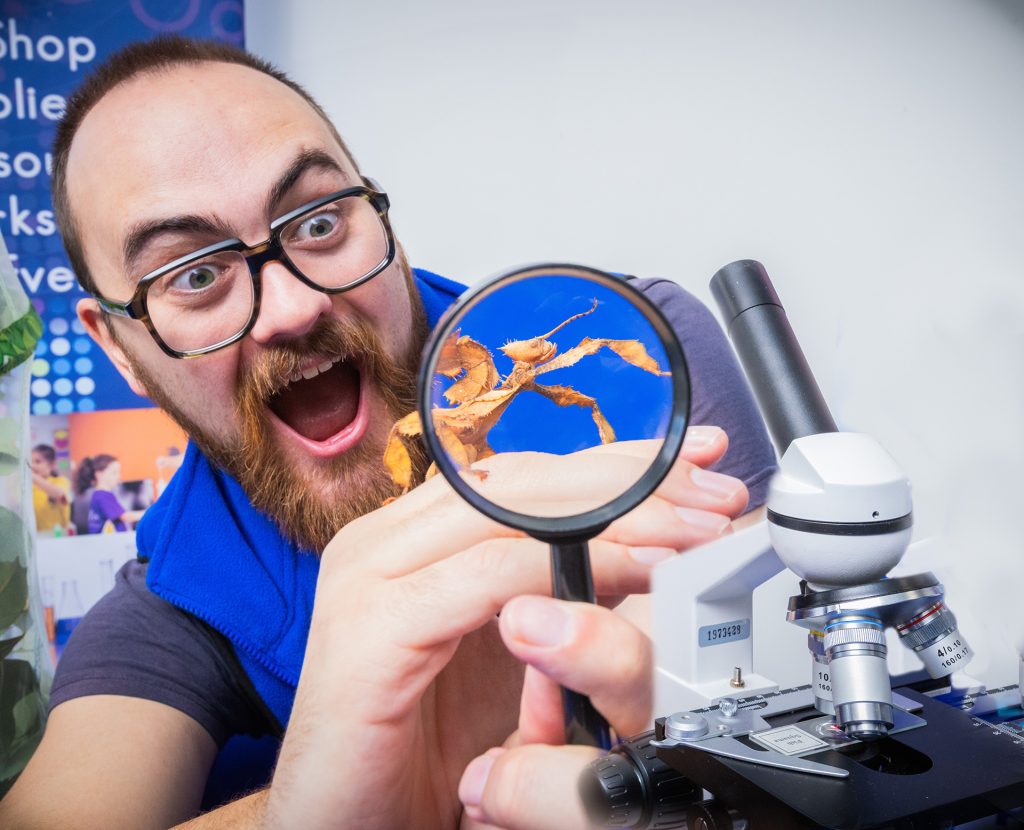
- Microscopes – break through biology into the most minute building blocks of life!
- Animal Sight & Hearing – Experience what it’s like to see or hear the way different animals can.
- Habitats and life cycles.
- Grow seeds yourself in a mini greenhouse!
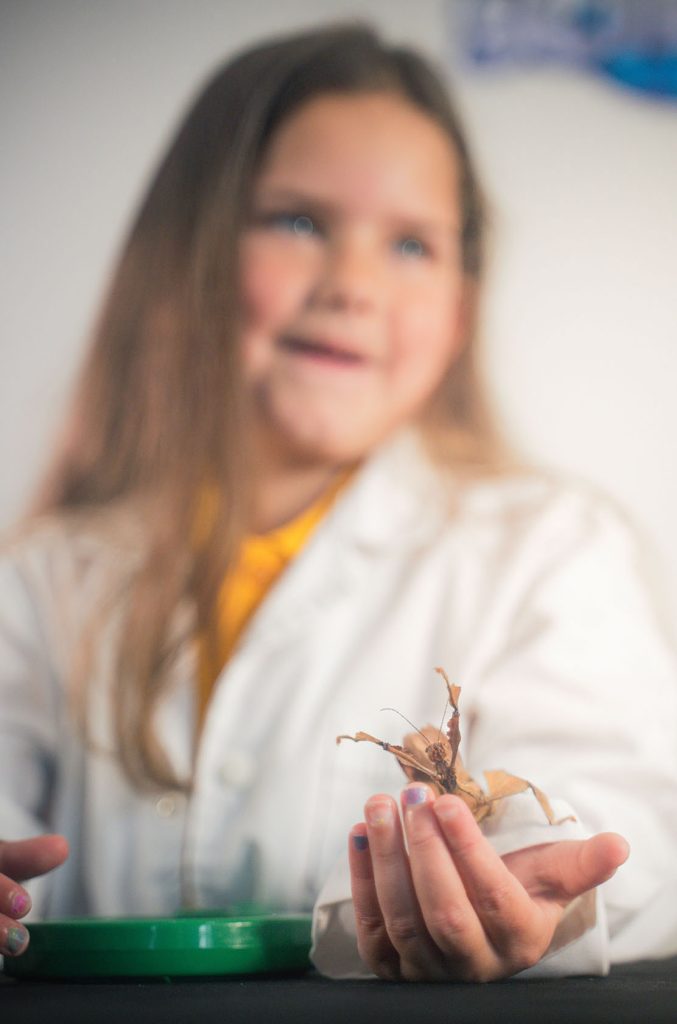
- Students study live worms or stick insects and their structure, identifying different parts of the anatomy.
90 minute workshop also includes the following:
- Creature Features’ Taxonomy – How do we use different species’ features to group them together?
- Creature Features’ Adaptations – How do these same features help each species to thrive in their natural habitat?
- Make a class worm farm!
Activities | Year 3 to Year 6
- Adaptations – Explore the way different species are perfectly suited to their natural environments. Students observe live earthworms or stick insects, and examine their features & adaptations.
- Ecology Game – Students play in groups of Producers & Consumers, growing & dying in an ecosystem!
- Microscopes – Zoom in on a variety of specimens and cells.
- Animal Sight & Hearing – Experience what it’s like to see or hear the way different animals can.
- Ecosystems – Take part in the food web and see the complex relationships at all levels of the ecosystem, each catering and complimenting the needs of the other.
- Taxonomy – Explore the many ways that species can be sorted together.
- Grow seeds yourself in a mini greenhouse!
90 minute workshop also includes the following:
- Homer-ostasis – How can we keep Homer the Honey Possum alive? By maintaining homeostasis!
- Strawberry DNA Extraction – Get up close and personal with DNA. Touch real DNA in this awesome and memorable experiment!
Living Things – Junior Version
Learning Outcomes | Foundation/Kinder to Year 2
- How to decide whether something is living or non-living (living things move, grow, respire, reproduce, excrete waste, respond to stimuli and require food).
- All living things (organisms) are made up of cells.
- Because there are many different species of living things, scientists sort them into groups. This is called classification.
- Living things are grouped based on shared features. Larger groups can be divided into smaller groups based on similarities and differences.
- Yeast is a living organism in the fungi kingdom. The carbon dioxide it produces is used in baking.
- Earthworms are helpful invertebrates that break down food waste into compost.
- Microscopes use light and lenses to magnify and observe small objects.
Living Things – Senior Version
Learning Outcomes | Year 3 to Year 6
- Students understand what an organism is and the traits shared by all living things.
- Students understand that organisms maintain internal balance (homeostasis) through regulated inputs and outputs.
- Students observe real invertebrates and understand how their structures support survival.
- Students understand ecosystems and trophic levels, where species depend on those below them for energy.
- Students understand the importance of balance within trophic levels in ecosystems.
- Students explore how different species see and how this supports survival.
- Students explore how different species hear and how this supports survival.
- Students use microscopes to observe real cells.
- Students understand taxonomy as the classification of organisms.
- Students learn about life cycles and experimental design through investigations such as growing grass seeds.
- Students understand that DNA contains the instructions for building organisms and can be extracted from cells.
Victorian Curriculum Links | Foundation to Year 2
- Scientific knowledge is based on observations of the natural world using the senses and scientific tools.
- Plants and animals have observable features that can be used to group them.
- Living things have basic needs such as air, water, food and shelter.
- Plants and animals have external features that support survival.
Victorian Curriculum Links | Year 3 to Year 6
- Living things can be distinguished from non-living things and fossils.
- Plants and animals have life cycles, with offspring similar but not identical to parents.
- Producers, consumers and decomposers interact within ecosystems.
- Organisms have evolved, and their features support survival in environments.
NSW Curriculum Links | Kinder to Stage 1
- Compares features of living and non-living things (ST2-4LW-S)
- Examines how environments affect growth and survival (ST3-4LW-S)
- Conducts investigations and communicates findings (ST2-1WS-S)
- Uses tools and materials to develop solutions (ST3-2DP-T)
NSW Curriculum Links | Stage 2 to Stage 3
- Investigates systems such as the solar system and energy (ST2-SCI-01)
- Designs fair tests to investigate energy effects (ST2-PQU-01)
- Interprets data to identify patterns (ST2-DAT-01)
- Uses data to support explanations (ST3-DAT-01)
Australian Curriculum Links | Foundation/Kinder to Year 2
- Living things grow and reproduce (ACSSU030)
- Living things can be grouped by observable features (ACSSU044)
- Living things have adaptations for survival (ACSSU043)
- Participate in guided investigations (ACSIS025)
- Plan and conduct investigations safely (ACSIS065)
Australian Curriculum Links | Year 3 to Year 6
- Compare living and non-living things and life cycles (AC9S3U01)
- Use science to solve problems (AC9S3H02)
- Plan and conduct fair investigations (AC9S3I02)
- Explain ecosystem roles and food chains (AC9S4U01)
- Examine adaptations for survival (AC9S5U01)