




Come To Your Senses
- Level: Foundation/Kinder
- Duration: 60 minutes
- Numbers: Maximum of 30 students per workshop
- State: VIC & NSW
- Price: $450 per 60 minute workshop
*Travel surcharge also applies based on location.
*Prices exclude GST.
*There is a minimum booking of 3 x 60 minute workshops or 2 x 90 minute workshops on the same day – or their cost equivalent.
"*" indicates required fields
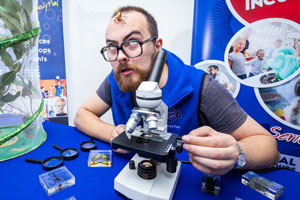
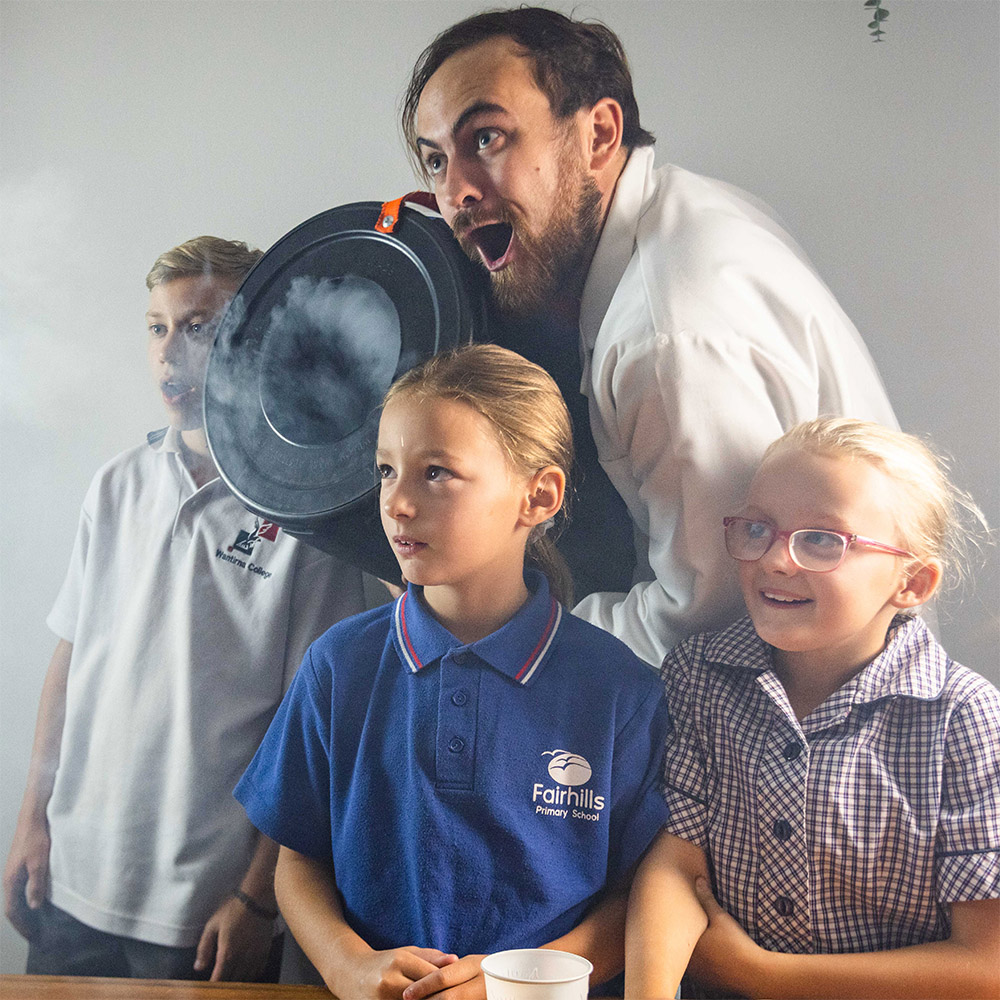
Put your five senses to the test in this hands-on workshop! Explore illusions, surprising taste tests, and sensory experiments that challenge how you see, hear, touch, taste, and smell the world.
Activities
- A class game that takes away light, and the student’s sense of sight temporarily, forcing them to become more reliant on their other senses.
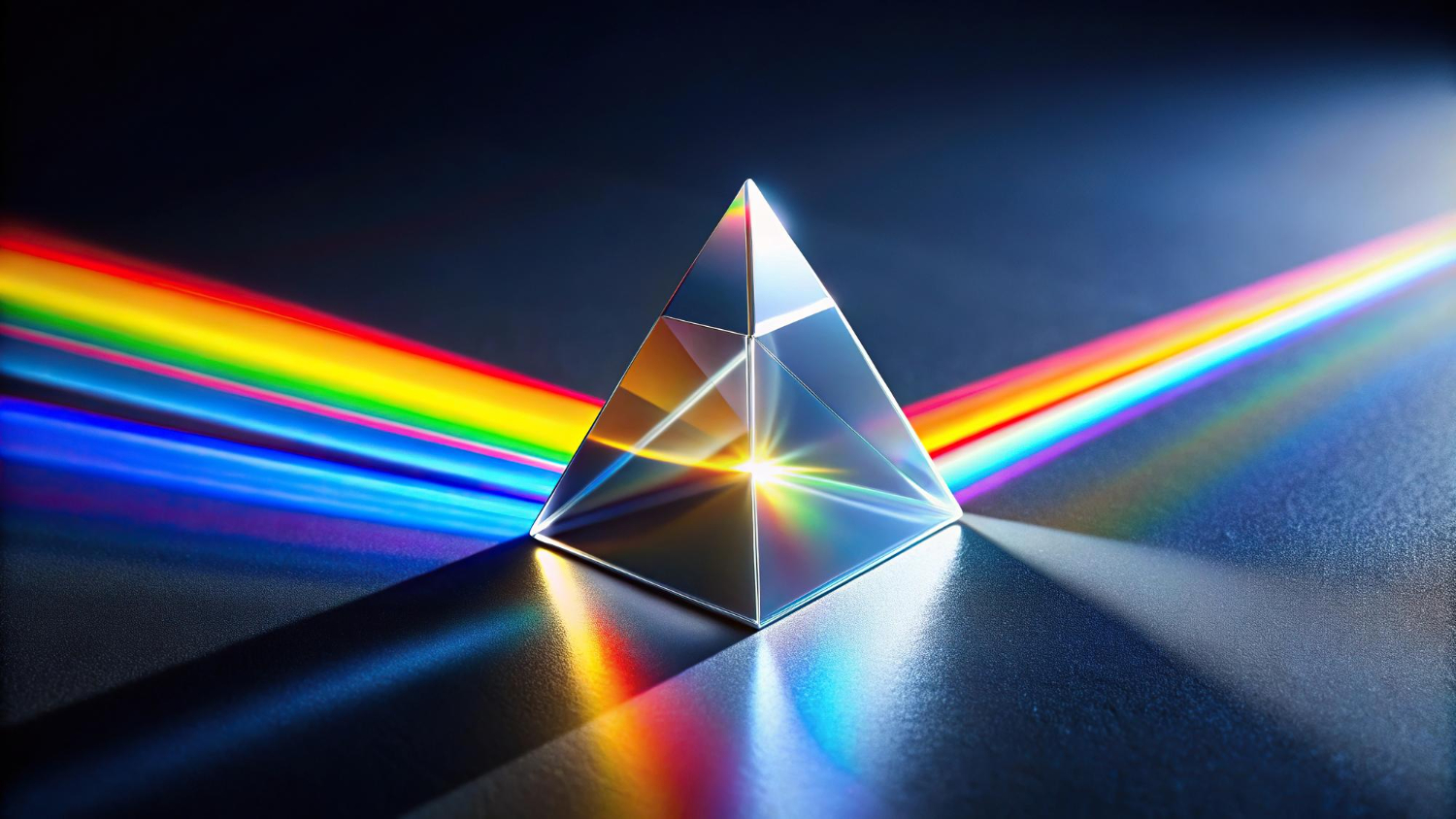
- Demonstration of the component colours of light using a prism.
- Demonstration of how the lens in our eye works with light.
- Students explore various types of lenses and understand how they work: diffraction grating, fly eye, magnifier, kaleidoscope, mini telescope.
- Students explore sound waves as physical movement energy with tuning forks.
- Students test the sensitivity of their sense of touch.
- Students classify smells into basic types.
- Genetic test using the sense of taste.
- Taste test demonstration with class participation.
Learning Outcomes
- Identify the five senses: touch, taste, sight, hearing and smell.
- Understand how we use our senses to navigate and make sense of the world around us.
- Explore the body parts that enable our senses of sight, hearing, taste, touch and smell.
- Understand that we need light and our eyes to see, and explore simple properties of light and how eyes and lenses work.
- Explore how our sense of hearing allows us to experience the world through sound, including simple properties of sound and how the ear works. Sound is measured in decibels.
- Understand that the skin is the body’s largest sensory organ and is sensitive to different types of stimuli such as touch, pressure and temperature.
- Explore how smells can be classified into 10 basic types.
- Understand that our sense of taste relies heavily on our sense of smell, and that how things taste can be linked to genetics.
Victorian Curriculum Links
- Scientific knowledge is based on observations of the natural world using the senses, and scientific tools and instruments VC2S2H01
- Science is used by people in their daily lives, including asking questions and using patterns from observations of the world around them to make scientific predictions VC2S2H02
- Sound can make materials vibrate and vibrating materials can make sound; different actions can be used to produce sounds of varying pitch and volume VC2S2U12
- Observations are made using the senses and recorded, including informal measurements, using digital tools as appropriate VC2S2I03
NSW Curriculum Links
- Compares features and characteristics of living and non-living things (ST2-4LW-S)
- Examines how the environment affects the growth, survival and adaptation of living things (ST3-4LW-S)
- Observes, questions and collects data to communicate ideas (STe-1WS-S)
- Identifies digital systems and explores how instructions are used to control digital devices (STe-7DI-T)
Australian Curriculum Links
- Light and sound are produced by a range of sources and can be sensed (ACSSU020)
- People use science in their daily lives, including when caring for their environment and living things (ACSHE035)
- Compare observations and predictions with those of others (ACSIS041)
- Use informal measurements to collect and record observations, using digital technologies as appropriate (ACSIS039)