









Program-A-Bots Robotics
- Level: Foundation/Kinder to Year 2.
- Duration: 60 or 90 minutes (90 minutes recommended)
- Numbers: Maximum of 30 students
- State: VIC & NSW
- Price
60 min: $450 per workshop
90 min: $560 per workshop
*Travel surcharge also applies based on location.
*Prices exclude GST.
*There is a minimum booking of 3 x 60 minute workshops or 2 x 90 minute workshops on the same day – or their cost equivalent.
"*" indicates required fields
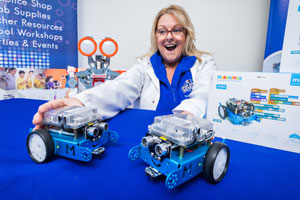
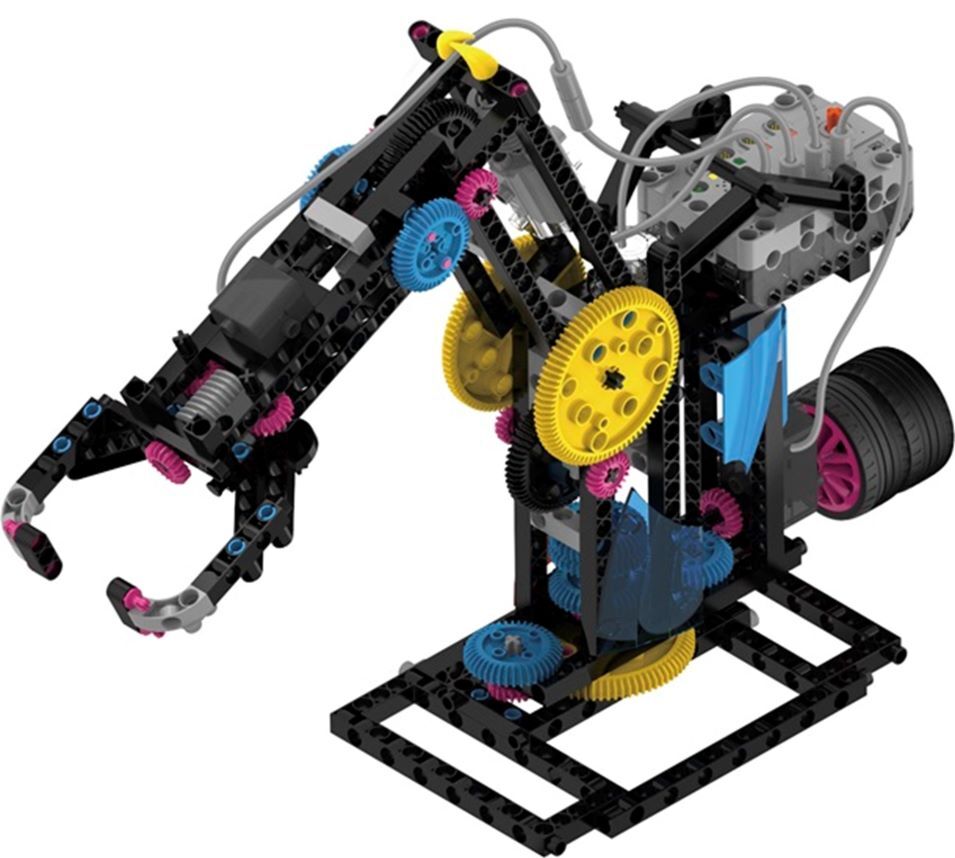
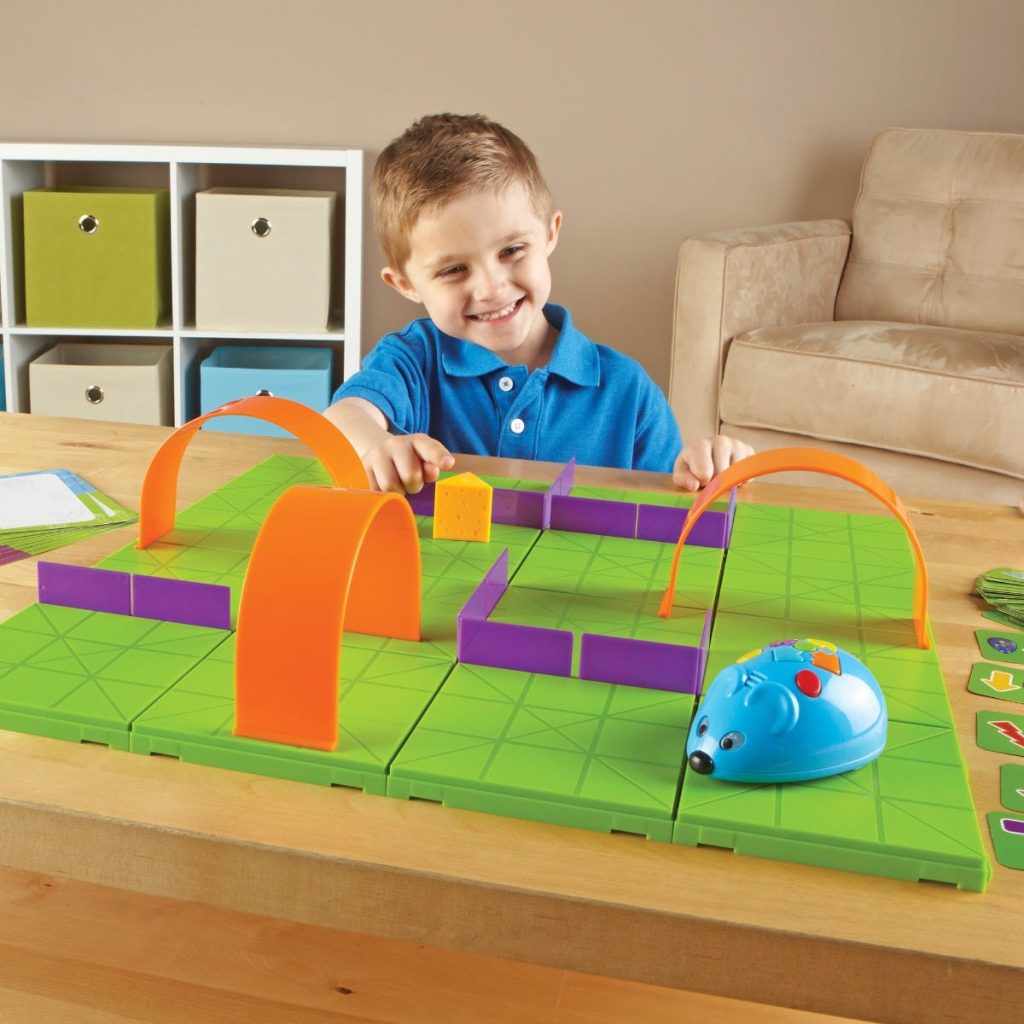
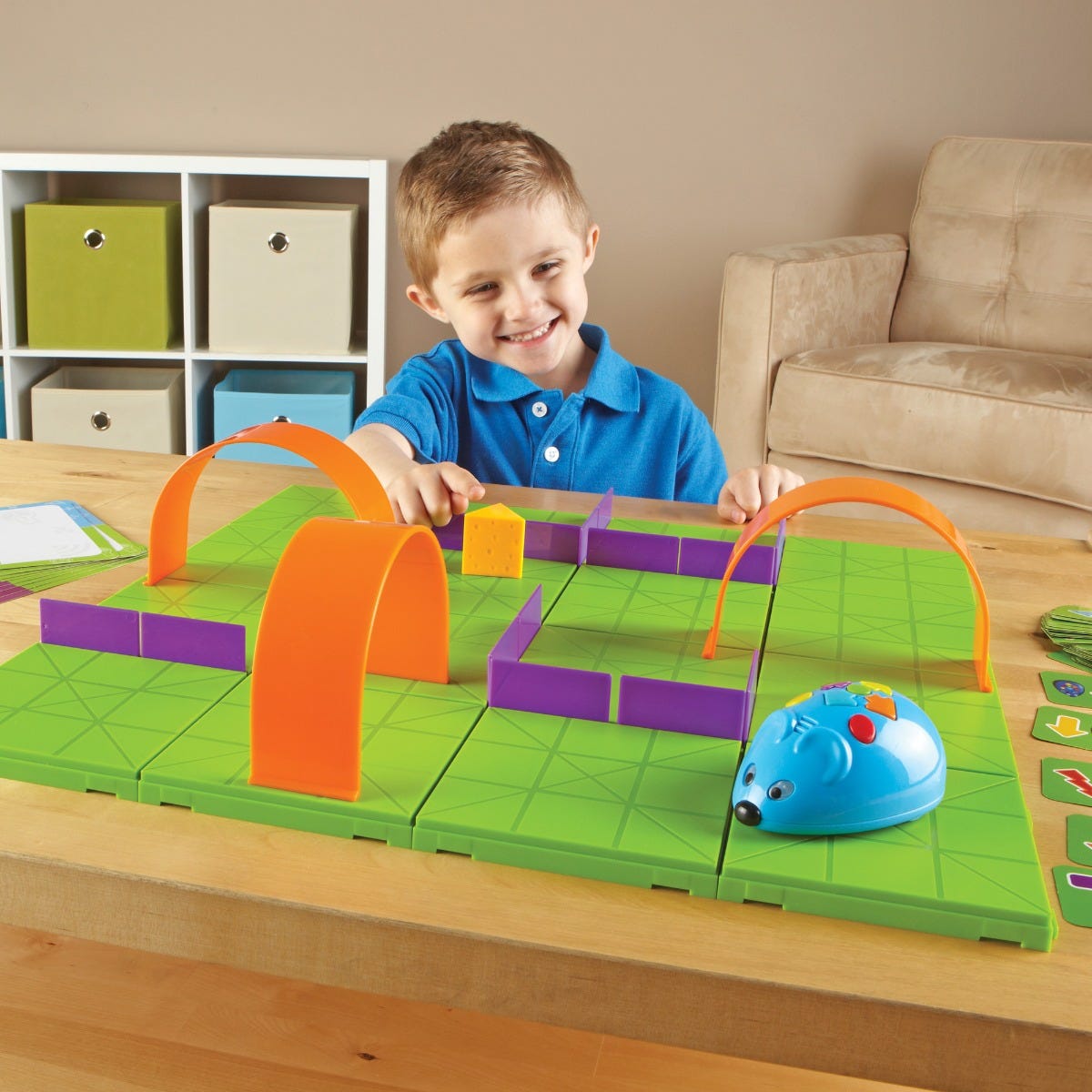
An exciting introduction to robots and programming! Using colourful, easy-to-use robots, students will love learning simple sequencing and directions through hands-on play. Learners work together in pairs or small groups to solve fun challenges.
Activities
- Students pretend to be robots that are programmed to do a dance, providing insight into how programming language needs to be very specific and step-by-step.
- Students have an open-ended period of exploration before being given instructions about how Program-A-Bot works, sharing what they discover.
- Students work as a class with the presenter to create an algorithm to move Program-A-Bot through a maze, using cards to sequence the instructions.
- Students undertake a challenge to teach their Program-A-Bots to ‘dance’ and follow the same commands at the same time!
90 minute workshop also includes the following:
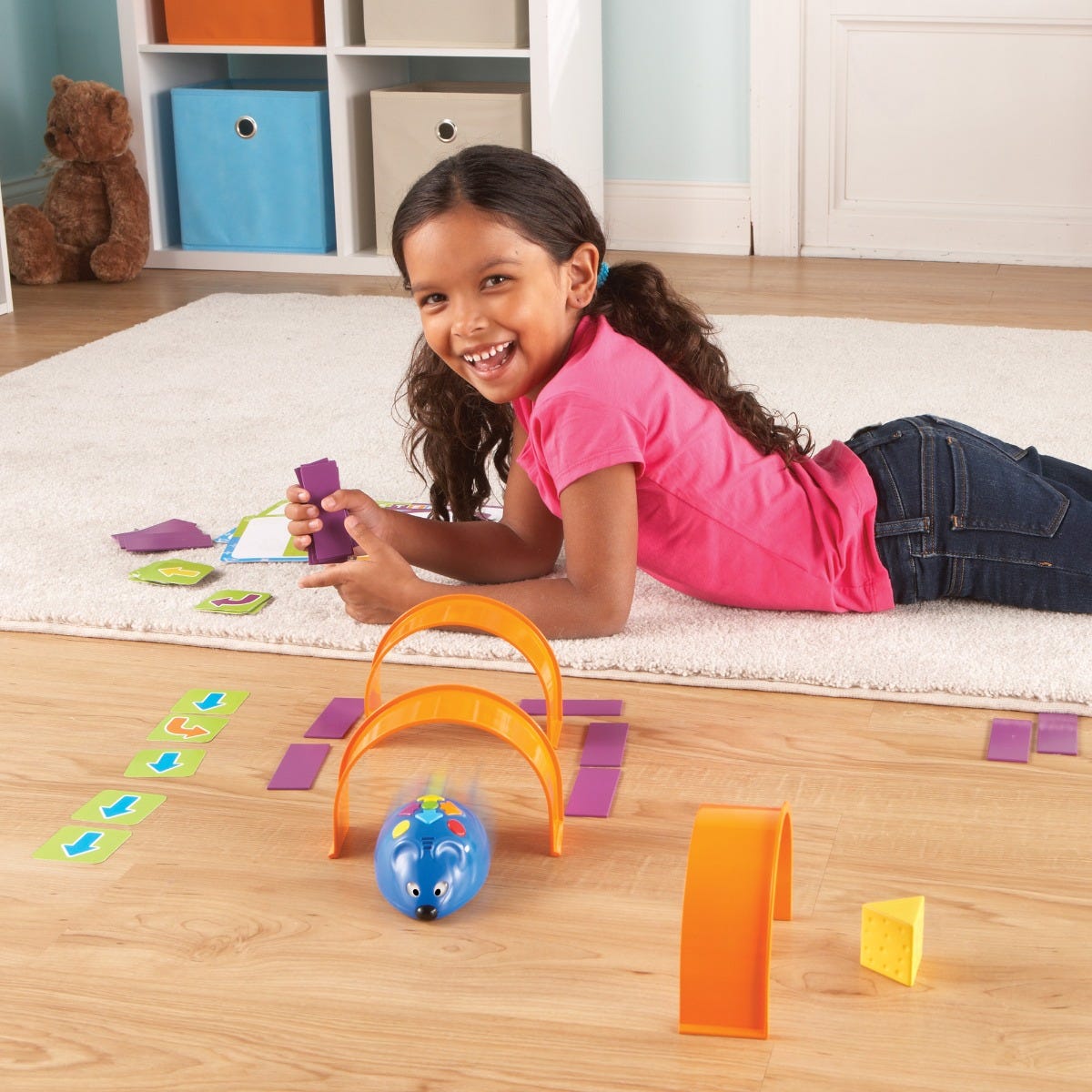
- Students create an obstacle course and then program their Program-A-Bot to navigate it successfully.
Learning Outcomes
- Understand the three basic components that define a robot.
- Recognise that robots cannot think for themselves and must be programmed.
- Explore how tinkering, experimenting and trying new things is a valuable way to learn.
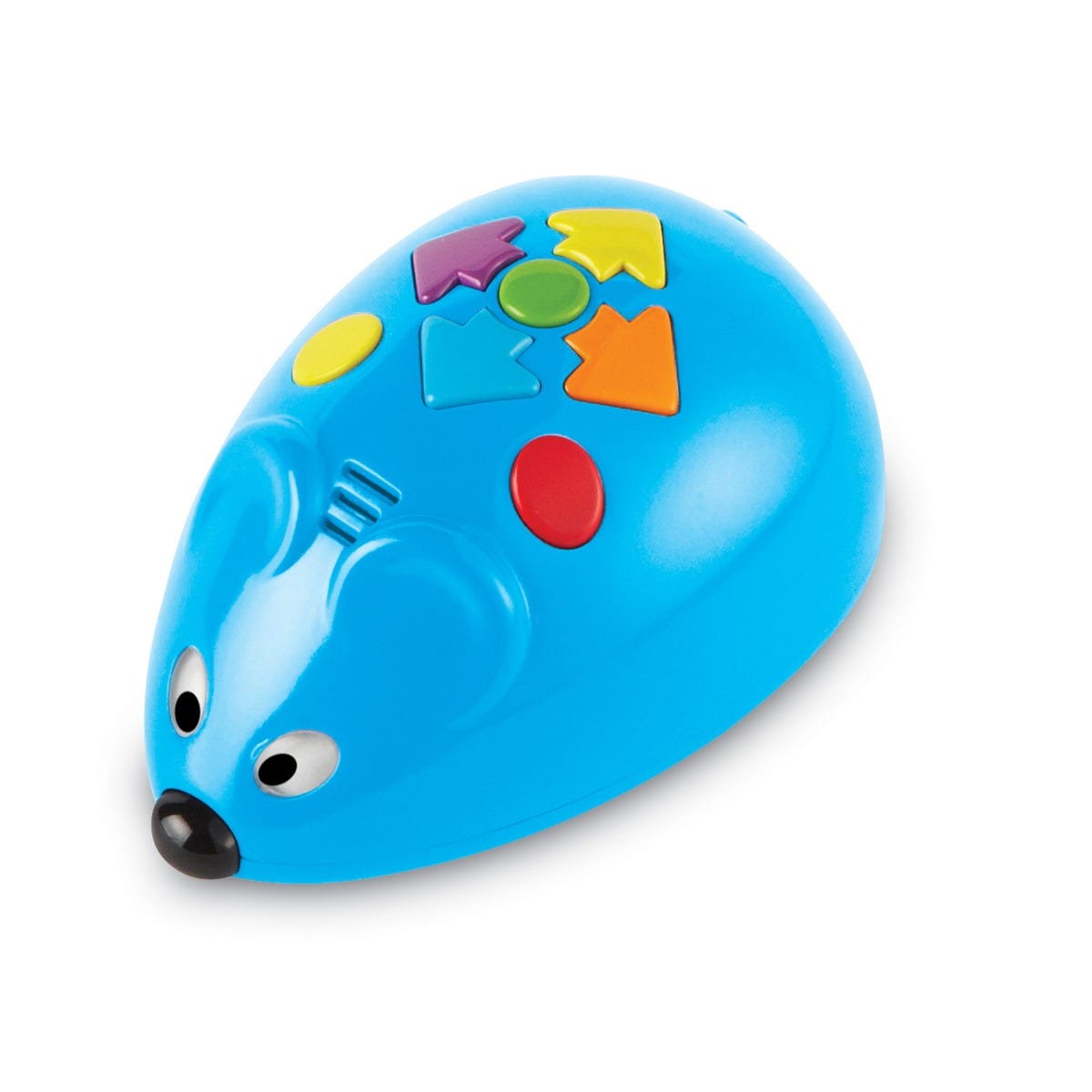
- Learn the range and number of commands available to program Program-A-Bot, and how it responds after completing commands.
- Sequence a step-by-step program for Program-A-Bot to complete a task, enter the program, and execute it.
- Compare the effectiveness of using instruction cards to sequence an algorithm versus attempting to mentally plan the steps.
- Test, review, modify and re-test algorithms to ensure Program-A-Bot successfully completes the task.
Victorian Curriculum Links
- identify and explore digital systems including hardware and software components for a purpose VC2TDI2S01
- follow, describe and represent algorithms involving a sequence of steps, branching (decisions) and iteration (repetition) needed to solve simple problems VC2TDI2C02
- science is used by people in their daily lives, including asking questions and using patterns from observations of the world around them to make scientific predictions VC2S2H02
NSW Curriculum Links
- Identifies the components of digital systems and explores how data is represented (ST1-11DI-T)
- Defines problems, and designs, modifies and follows algorithms to develop solutions (ST3-3DP-T)
- Identifies digital systems and explores how instructions are used to control digital devices (STe-7DI-T)
- Observes, questions and collects data to communicate ideas (STe-1WS-S)
- Describes, follows and represents algorithms to solve problems (ST1-3DP-T)
Australian Curriculum Links
- Recognise and explore digital systems (hardware and software components) for a purpose (ACTDIK001)
- Follow, describe and represent a sequence of steps and decisions (algorithms) needed to solve simple problems (ACTDIP004)
Victorian Curriculum Links
NSW Curriculum Links
- Identifies the components of digital systems and explores how data is represented (ST1-11DI-T)
- Defines problems, and designs, modifies and follows algorithms to develop solutions (ST3-3DP-T)