











Toy Technology
- Level: Foundation/Kinder to Year 2.
- Duration: 60 or 90 minutes (90 minutes recommended)
- Numbers: Maximum of 30 students per workshop
- State: VIC & NSW
- Price
60 min: $450 per workshop
90 min: $560 per workshop
*Travel surcharge also applies based on location.
*Prices exclude GST.
*There is a minimum booking of 3 x 60 minute workshops or 2 x 90 minute workshops on the same day – or their cost equivalent.
"*" indicates required fields
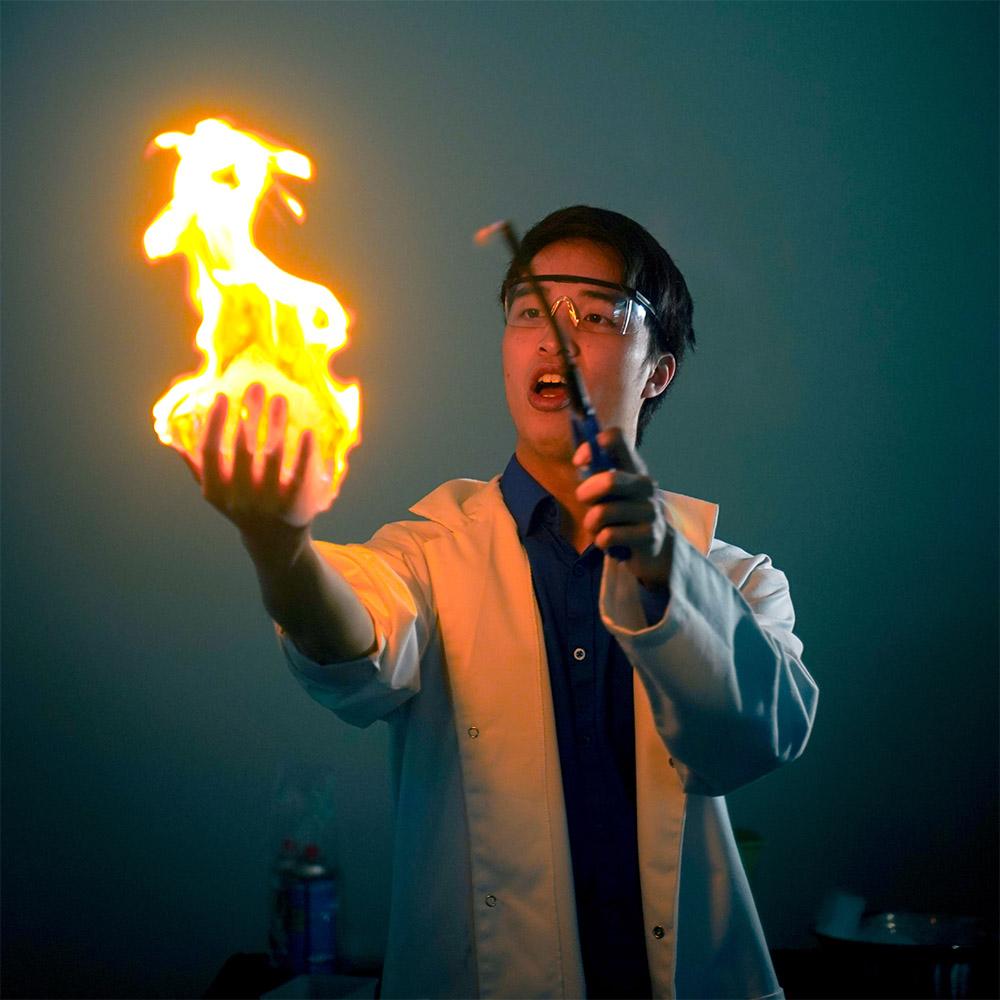
Dive into the science behind toys! Explore energy, materials, movement, and sound as you spin colour, use magnets to draw, and create your own balancing toy. Learning has never been this much fun!
Activities
- Each student investigates and classifies at least two modern toys based on a range of characteristics.
- Whole-group investigation of toys from the past and how they differ from present-day toys.
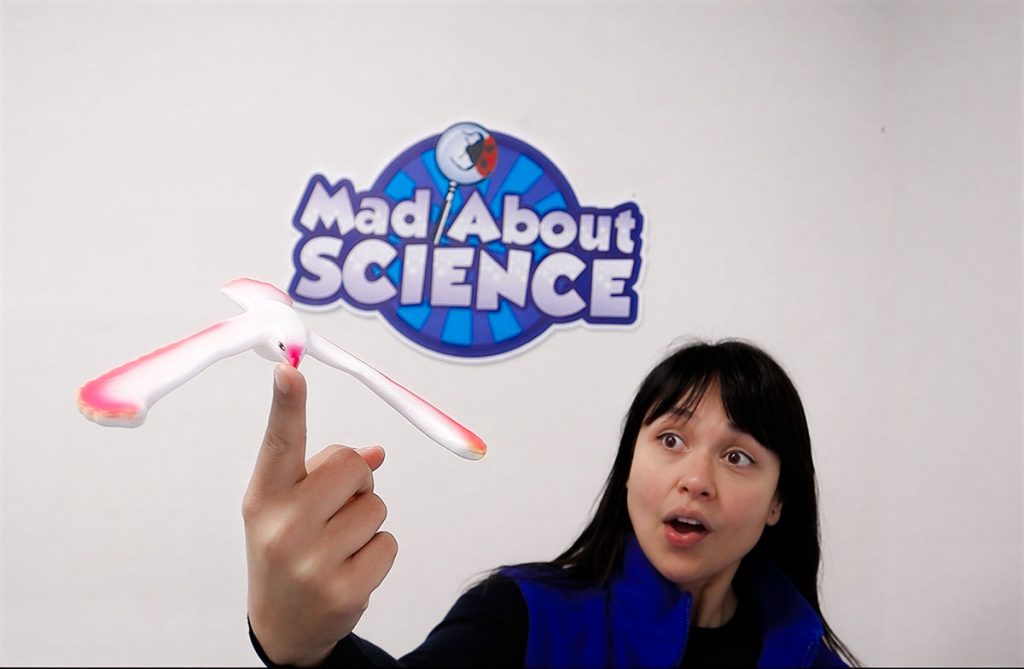
- Two impressive balancing demonstrations using everyday objects and toys.
- The effect of changing the centre of gravity on balance is modelled and discussed.
- Each student creates a balancing toy to keep.
- Demonstration of spinning toys and balance, including gyroscopes.
- Students use spinning toys that create interesting patterns.
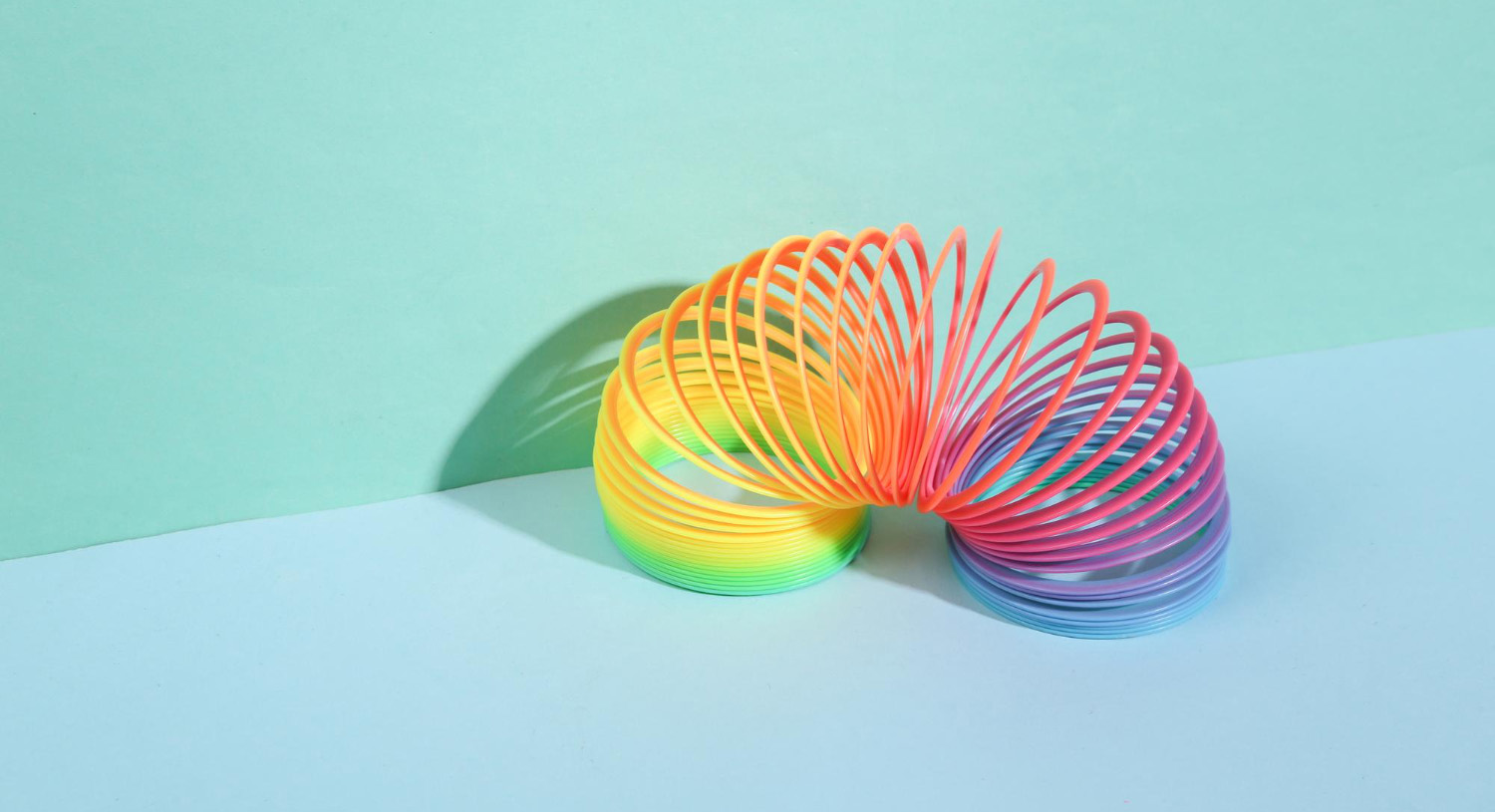
- Engaging demonstration and discussion of moving toys and energy stored in coils and springs.
Additional Activities (90-minute workshops)
- Students use iron filings and magnets to explore magnetic forces and how magnets are used in toys.
- Students observe multiple demonstrations of classic science toys to introduce how slinkies store energy.
Learning Outcomes
- Understand what a toy is, its purpose, how it works, what it is made from, and who designs and makes toys.
- Classify toys based on movement, sound, energy and materials.
- Explore the differences between toys of the past and modern-day toys.
- Understand how stored (potential) energy and moving (kinetic) energy are used to make toys work.
- Investigate concepts of balance and centre of gravity using toys.
- Explore how push and pull forces and gravity can make toys move and function.
- Understand that some toys incorporate magnetic forces.
- Explore how toys can produce sound in a variety of ways.
Victorian Curriculum Links
- Scientific knowledge is based on observations of the natural world using the senses, and scientific tools and instruments (VC2S2H01)
- Science is used by people in their daily lives, including asking questions and using patterns from observations of the world around them to make scientific predictions (VC2S2H02)
- Objects can be made of one or more different materials; these materials have observable properties (VC2S2U04)
- Materials can be changed physically by different actions without changing their material composition, including by bending, twisting, stretching, crushing, squashing and breaking into smaller pieces (VC2S2U06)
- The way objects move depends on a variety of factors including their size, shape and material (VC2S2U10)
- Pushes and pulls are forces that can change an object’s movement or shape and can be represented in terms of strength and direction (VC2S2U11)
NSW Curriculum Links
- Identifies that objects are made of materials that have observable properties (STe-4MW-ST)
- Observes the way objects move and relates changes in motion to push and pull forces (STe-5PW-ST)
- Observes, questions and collects data to communicate ideas (STe-1WS-S)
- Describes common forms of energy and explores some characteristics of sound energy (ST1-8PW-S)
- Investigates how forces and energy are used in products (ST1-9PW-ST)
Australian Curriculum Links
- People use science in their daily lives, including when caring for their environment and living things (ACSHE035)
- Objects are made of materials that have observable properties (ACSSU003)
- The way objects move depends on a variety of factors including their size and shape (ACSSU005)
- Pose and respond to questions, and make predictions about familiar objects and events (ACSIS024)